Skip to content

How Nalaxone Can Save Lives

Summary

In an opioid overdose emergency, knowing how to respond can be the difference between life and death. Naloxone (often sold as Narcan) is a safe, easy-to-use medication that rapidly reverses an opioid overdose by restoring normal breathing within minutes. The timely administration of naloxone is incredibly effective; an EMS review found that 93.5% of people survived an overdose when administered this life-saving medication.

Outpatient LA is committed to empowering our community with life-saving knowledge. Every Angeleno should know what naloxone is, where to get it (often for free from local health departments), and how to use it. Reversing an overdose provides a critical second chance to connect someone with the long-term addiction treatment they need to heal.
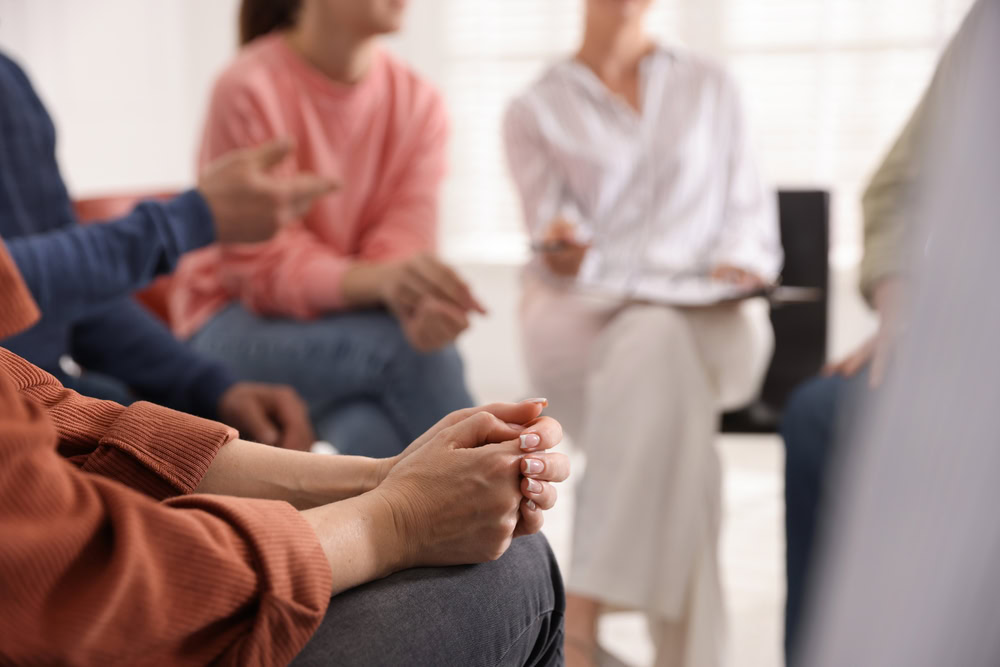
Group therapy session talking about how nalaxone can save lives.

How Naloxone Can Save Lives

If you’ve ever wondered how naloxone can save lives, the answer is simple: it works quickly to reverse the deadly effects of an opioid overdose. Known by the brand name Narcan, naloxone is an FDA-approved medication that can restore normal breathing within minutes when someone has overdosed on opioids like fentanyl, heroin, or prescription painkillers. With the rise of synthetic opioids driving overdose deaths in the United States, naloxone has become a critical tool in the fight against the opioid epidemic. 


Why Naloxone Matters

From 2019 to 2022, drug overdose deaths rose in the United States, peaking at 107,941 deaths reported in 2022. The leading cause of these deaths includes synthetic opioids such as fentanyl, which were involved in 72,776 deaths in 2023. The Substance Abuse and Mental Health Services Administration (SAMHSA) highlights that widespread access to naloxone safely and effectively reverses opioid overdoses and saves lives, providing individuals with another chance to seek treatment and achieve long-term recovery.


How Naloxone Works

Naloxone binds to the same receptors in the brain that opioids attach to, displacing the drug and quickly restoring normal breathing. It can be given as a nasal spray or injection and usually works within 2–3 minutes. While naloxone is potent, its effects are temporary, lasting about 30 to 90 minutes. This means emergency medical help is still critical after administration, as the risk of overdose symptoms returning remains. The medication is increasingly available in community settings, including pharmacies, schools, first responder units, and even through public distribution programs. 

Naloxone is more than a medication; it creates a critical window for people to survive and access treatment. At Outpatient Los Angeles, we believe in addressing every aspect of recovery, from overdose prevention to evidence-based therapies and holistic healing. If you or someone you love is struggling with opioid use, know that help is available, and every life saved by naloxone is a chance for recovery and renewal.


FAQs: How Naloxone Can Save Lives

Yes. Naloxone is considered very safe. If it’s administered to someone who is not experiencing an opioid overdose, it will not cause harm. Unlike opioids, naloxone is not addictive and does not produce euphoria. Its only function is to block the effects of opioids on the brain and restore normal breathing. Due to its safety profile, public health experts recommend that naloxone be made widely available in homes, schools, and community settings. While naloxone is safe, it is essential to always call 911 when it is used, as the effects typically wear off within 30–90 minutes and professional medical care remains necessary. Families, first responders, and community members can confidently use naloxone without fear of unintended consequences.

Naloxone access has expanded dramatically in recent years. Many states have standing orders that allow pharmacies to dispense naloxone without a prescription (you can learn more about each state’s access rules here). The FDA has approved over-the-counter naloxone nasal spray, allowing it to be purchased directly from a pharmacy shelf. Beyond retail options, public health organizations, harm reduction programs, and community coalitions often distribute naloxone for free, especially in areas heavily affected by opioid overdoses. To find naloxone near you, check with your local pharmacy, health department, or other health organizations in your community. 

Recognizing the signs of an opioid overdose is essential, since early naloxone use saves lives. The California Department of Public Health (CDPH) lists these common signs and symptoms of a drug overdose:

  • Dilated pupils
  • Dizziness
  • Tremor
  • Irritability
  • Confusion
  • Mood swings
  • Nausea or vomiting
  • Rapid breathing, fast heart rate or arrhythmia
  • Overheating or excessive sweating
  • Hypertension (high blood pressure)
  • Panic or extreme anxiety
  • Hallucination
  • Psychosis

If you suspect an overdose, call 911 immediately and administer naloxone if available. Place the person on their side to prevent choking, and stay with them until emergency services arrive. Remember that even if you’re unsure whether the person has overdosed on opioids, using naloxone is safe and recommended, and it will not harm them if opioids are not present.

Yes. Because potent opioids like fentanyl can outlast naloxone’s effects, a person may relapse into overdose symptoms after initially recovering. In these cases, multiple doses of naloxone may be required. Naloxone typically acts in two to three minutes, so if an unconscious person does not wake up in three minutes, bystanders should give a second dose. Carrying extra doses will ensure you are prepared for stronger opioids, and having multiple doses available is especially critical in communities where fentanyl and its analogs are widespread.

Widespread naloxone access helps shift the conversation about addiction from blame to compassion. By treating overdoses as medical emergencies, similar to how we do for heart attacks or strokes, naloxone distribution encourages people to view substance use disorder as a health issue rather than a moral failing. This Overdose Prevention and Response Toolkit from SAMHSA explains, “There is no ‘type’ of person who experiences OUD or opioid overdose. Research has shown that women, older people, and those without obvious signs of OUD are undertreated” with opioid overdose reversal medications like naloxone. Carrying naloxone demonstrates that a community values life and recovery, not punishment or shame, which is an important perspective for encouraging treatment-seeking behavior. When naloxone is normalized, it not only saves lives but also helps reduce the isolation and judgment that often prevent people from seeking help.

After administering naloxone, always call 911, even if the person appears to be fully recovered. Because naloxone’s effects wear off in 30 to 90 minutes, symptoms can return once the medication leaves the body. While waiting for help, monitor the person’s breathing and responsiveness. Stay with them until emergency responders arrive. If you have helped a family member or loved one through a crisis, it is essential to discuss next steps once they are safe. Overdose reversal can provide a critical opportunity to connect individuals with addiction treatment. At Outpatient Los Angeles, we work with families after overdoses to provide education, support, and treatment options that address the root causes of addiction. Contact us today to learn how we can help

Table of Contents

Contact Us

Name(Required)

Get Real Help for Addiction Right Now.

Outpatient Los Angeles is available day or night to help you find the best treatment options that meet your personal needs.